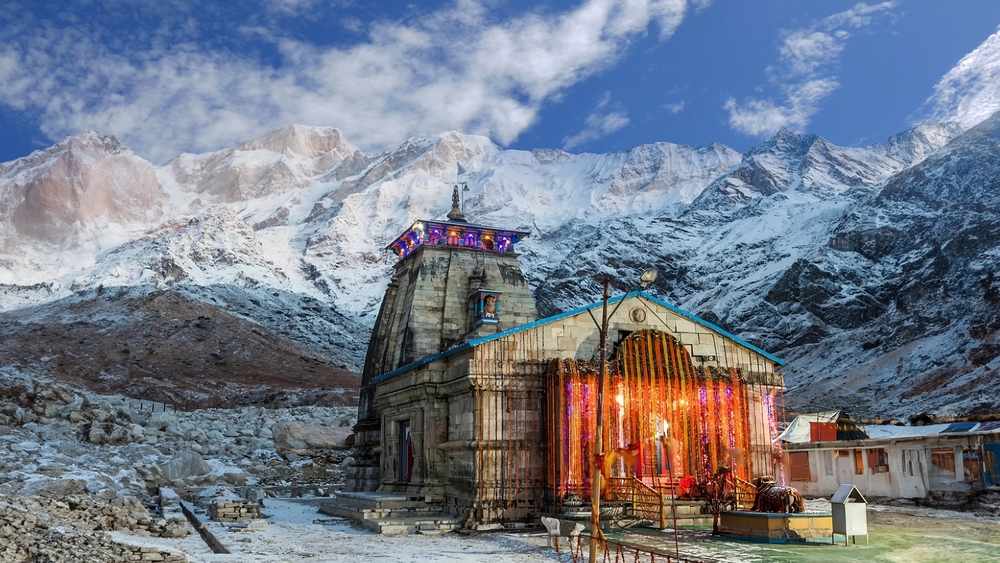
Preparing for the Kedarnath Yatra requires not only physical readiness but also the right gear to ensure a safe and comfortable trek. The trail from Gaurikund to Kedarnath is challenging, with rocky paths, steep climbs, unpredictable weather, and varying terrain. Choosing proper trekking shoes and essential gear can make a significant difference in your journey. In this guide, we will explore the best footwear and trekking equipment for your Kedarnath adventure to help you make informed decisions and enjoy the spiritual trek with peace of mind.
The most important item for any trekker is the trekking shoes. For the Kedarnath Yatra, you need hiking boots that offer excellent ankle support, good grip, waterproofing, and comfort. Trekking shoes with Vibram soles or deep tread patterns provide better traction on slippery or uneven surfaces. Choose shoes that are lightweight yet durable to reduce fatigue over long walking hours. When selecting trekking footwear, prioritize fit over brand names. Your shoes should feel snug but not tight, with enough room in the toe box to prevent blisters.
Break in your shoes before the trek by walking in them several times. This helps reduce discomfort on the trail. High cut or mid cut hiking boots are preferable to low cut shoes because they provide greater ankle protection and stability on rocky terrain. Waterproof or water resistant shoes keep your feet dry during rain or snow, which is common at higher altitudes. Apart from shoes, quality trekking socks are essential. Thick, moisture wicking socks reduce friction and keep your feet dry.
Cotton socks are not recommended because they absorb sweat and cause blisters. Synthetic or wool blend socks are ideal because they dry quickly and provide cushioning. Some trekkers also use double layer socks to minimize blisters further. A good pair of gloves protects your hands from cold and helps you grip ropes or rocks when needed. Choose gloves made of breathable material with a warm lining if you trek during colder months. Trekking poles are one of the most useful pieces of equipment for the Kedarnath Yatra. They provide balance, reduce stress on knees, and help you maintain a steady pace, especially on steep descents. Adjustable trekking poles allow you to change height according to the terrain.
Strong, lightweight poles made of aluminum or carbon fiber are recommended. A comfortable and sturdy backpack is another important gear. Your backpack should have padded shoulder straps, a waist belt, and multiple compartments for organizing items. A capacity of 30 to 40 liters is usually sufficient for carrying water, snacks, extra clothes, first aid, rain gear, and personal items. Make sure the backpack has a rain cover or waterproof layer to protect your belongings from rain. Weather on the Kedarnath route can change suddenly. Packing a lightweight waterproof jacket and trekking pants made of quick dry material is essential.
These protect you from rain, wind, and cold without adding excess weight. Avoid cotton clothing because it absorbs moisture and takes longer to dry. Instead, opt for synthetic or moisture wicking fabrics that keep you dry and comfortable. Sun protection is often overlooked but very important at high altitudes. A good wide brim hat or cap, high SPF sunscreen, and UV protection sunglasses protect your skin and eyes from harsh sun rays. The reflection of sunlight from rocks and snow can intensify exposure, so adequate sun protection is crucial. Staying hydrated and energized during the trek is vital. Carry a reusable water bottle or hydration bladder with at least two liters capacity.
Hydration bladders with drinking tubes make it easier to sip water while walking. Electrolyte powders or energy drinks help maintain stamina and prevent dehydration. Healthy snacks such as nuts, energy bars, and fruits are useful for quick energy boosts. A reliable headlamp or flashlight with extra batteries is valuable, especially if your trek starts early in the morning or extends into the evening. A compact power bank keeps your mobile devices charged, which is helpful for navigation, emergency calls, and capturing memories. A basic first aid kit should include bandages, pain relievers, antiseptic cream, blister pads, and any personal medications you require. Altitude sickness can affect some trekkers, so carrying altitude sickness tablets after consulting a doctor is recommended. Personal hygiene items such as wet wipes, hand sanitizer, quick dry towels, and toilet paper are useful on the trail. Although simple, these items enhance comfort and cleanliness during the journey.
Proper preparation with the right trekking gear not only ensures safety but also enhances your overall experience on the Kedarnath trail. Start preparing your gear checklist weeks before the trek and test key items such as shoes, backpack, and clothing to confirm comfort and fit. Packing light but smart minimizes unnecessary weight and lets you focus on the spiritual essence of the journey. In conclusion, the best trekking shoes for the Kedarnath Yatra are waterproof, supportive, and well fitted. Complement them with quality trekking socks, trekking poles, weather appropriate clothing, sun protection, hydration systems, and essential accessories for a safe and enjoyable trek. Choosing the right gear allows you to face challenging terrain with confidence and embrace the beauty and spirituality that the Kedarnath Yatra promises. God Idols, Pooja Murti, Religious Statues, Handmade God Statues Hotels in Uttarkashi - Uttarkashi Hotels Hotels in Chardham Chardham Hotels Online Chardham




Write a comment ...